Our History
The Velvet Lodge is located on the Fluwelen Burgwal and is housed in a former lodge of the Freemasons. A building and surroundings with a rich history/heritage.
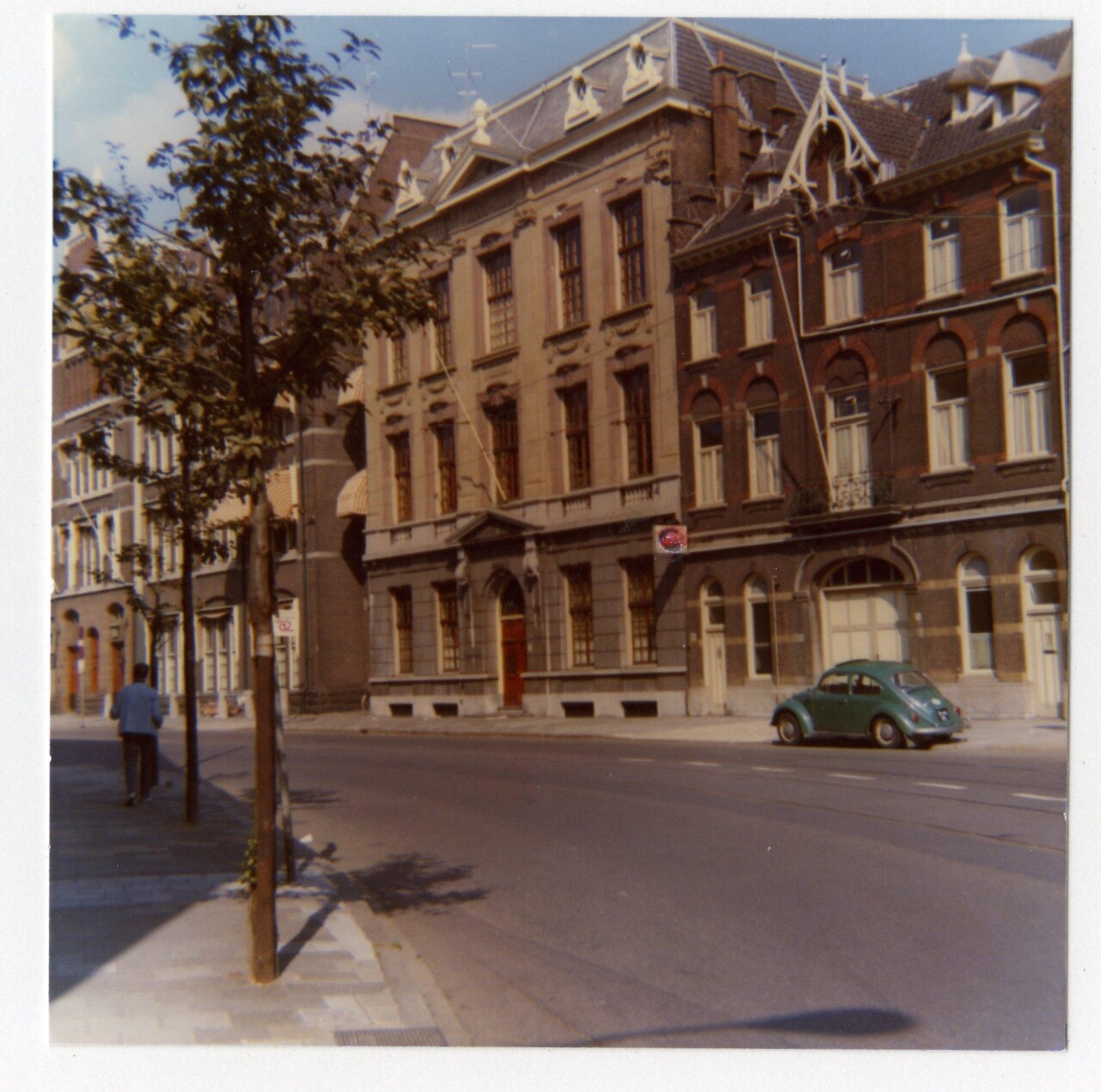
Fluwelen Burgwal
It is uncertain where the name Fluwelen Burgwal originates from. Initially called Burgwal, the name Fluwelen Burgwal has been used since 1619. A commonly mentioned explanation is that the street was named after the velvet clothing worn by the wealthy people living here. However, just like the Herengracht, only one side of the street had large houses for wealthy residents. The truly wealthy inhabitants of The Hague lived on the Voorhout, Lange Vijverberg, and Prinsessegracht. The residents on the affluent side of the Fluwelen Burgwal were mostly high-ranking civil servants and administrators of governmental institutions of Holland or the Republic, rather than the true elite. In the 17th century, the shop of velvet weaver Abrahams Bremans was located here. It is possible that the street derives its name from him.
Vrijmetselaars
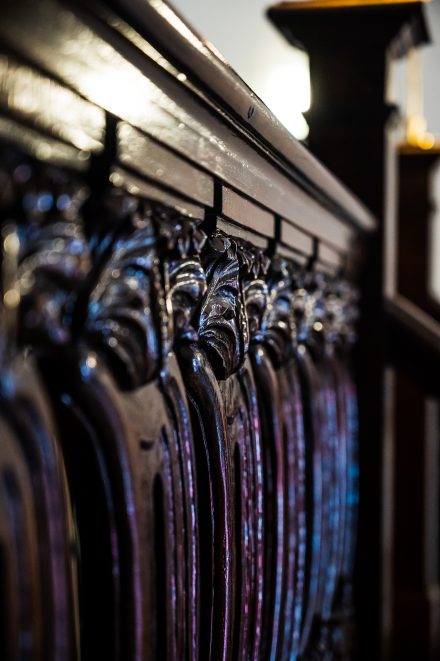
In 1745, a residence with a garden and stables was built at number 22. The property was purchased in 1841 by Freemason Prince Frederik, the second son of King William I. In 1847, Frederik offered the “use and operation” of the property to the Freemasons’ lodges L'Union Royale (founded in 1757), Eendragt maakt Magt (1795), and L'Union Frédéric (1816), on the condition that they would merge. A temple and a banquet hall, each measuring 25 by 10 metres, were added in the garden.
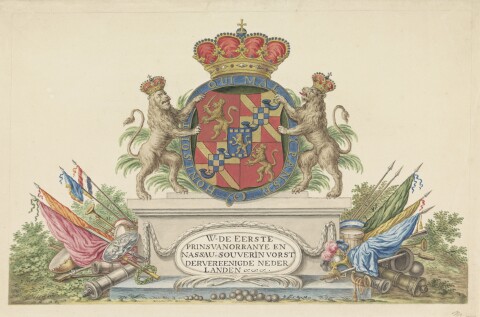

Prince Frederik – 1797-1881
Prince Frederik of the Netherlands became Grand Master of the Order of Freemasons under the Grand Orient of the Netherlands in 1816. He would hold this position for 65 years, until his death. He had a strong influence on Freemasonry during that time and tended to use it more for social and societal purposes.
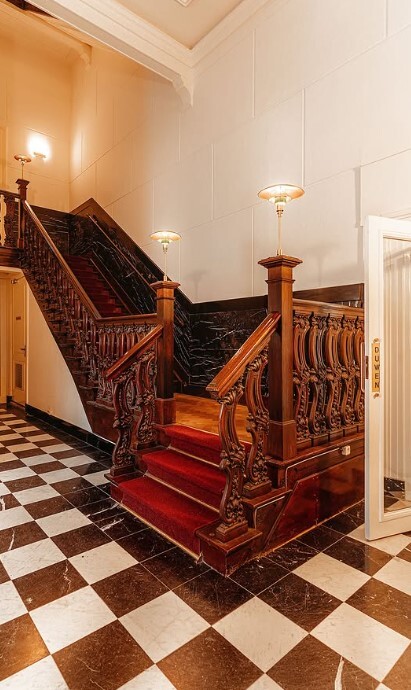
In 1908, a government plan to take over the Order Building for the expansion of the State Printing Office was rejected by the House of Representatives. However, the construction that did take place had such adverse effects on the Order Building that a major renovation became necessary. As a result, in 1910 the Freemasons’ Order commissioned the current appearance of the building, inspired by the Louis XVI style.
Prince Frederik donated the building to serve as proper accommodation for the Order and the Lodge: three obediences and three affiliated workshops. By 1992, it housed at least six grand authorities and 38 workshops. When, in the autumn of 1992, the Grand Secretariat of the Order and the chanceries and secretariats of the Higher Degrees, the Master Degree Division, the Supreme Degree, and the Royal Arch moved their headquarters to the Prinsessegracht, 145 years of increasingly intensive use of the Order Building came to an end.